All articlesBy Dr. Richard Taborga, Psy.D., LMHC
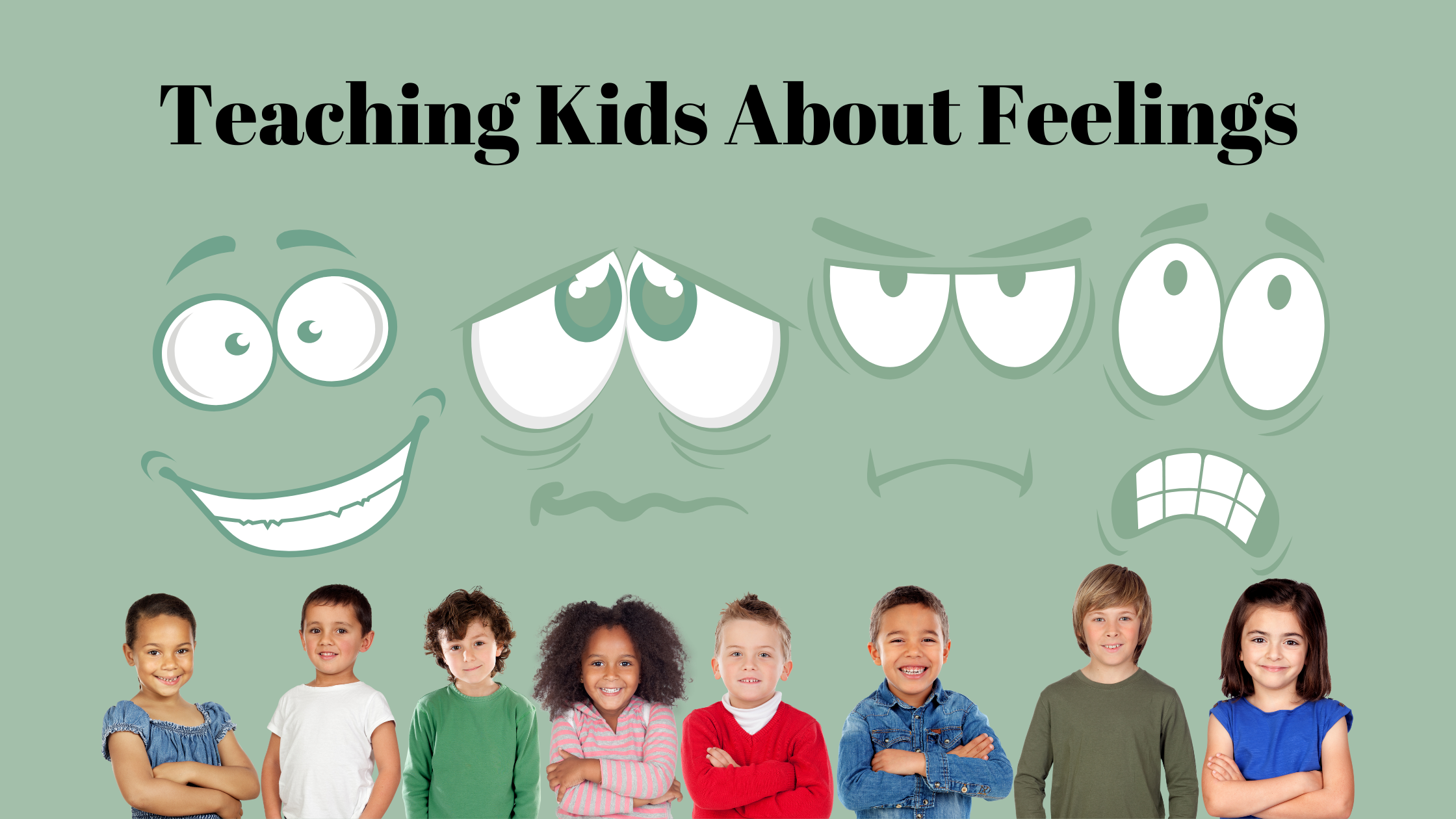
Children will often act out because they don’t have the words to express themselves. With this in mind, teaching your children about the many emotions they will encounter in life can be very helpful.
Through observation, children learn how to express emotions, as well as respond to emotions shown by others.
The benefits of teaching children about feelings include:
- Children who understand their emotions are less likely to act out by using tantrum behavior, aggression, and/or defiance.
- Learning and normalizing feelings decreases anxiety.
- Emotional health is critical to physical health.
- Understanding emotions leads to better communication, emotion regulation (which leads to fewer unhealthy behaviors), problem resolution, relationships, and empathy.
- Children who understand emotions are more emotionally intelligent, self-compassionate, and resilient.
Tips for teaching children about feelings:
- Name your own emotions out loud (“I’m feeling frustrated because…”). Modeling is the fastest way children learn.
- Use books, movies, and characters as a jumping-off point to talk about what someone might be feeling and why.
- Introduce a wider feelings vocabulary — beyond happy/sad/mad. Words like disappointed, embarrassed, nervous, or proud help kids get specific.
- Validate first, coach second. Acknowledge the feeling before offering solutions or corrections.
- Create a family “feelings check-in” at dinner or bedtime.