
Tragedy teaches us that life isn’t perfect. It’s so imperfect that bad things happen to good people sometimes. A tragic event can offer the opportunity to teach children about empathy, gratitude, and compassion. In addition, as children learn that things may not always be perfect in life, they can also learn to adapt and view setbacks as opportunities to become more resilient.
Here are some tips to help children cope.
Manage your own emotions first
Your child will look to you for cues about how to react. It’s OK for children to see adults sad or crying, but consider excusing yourself if you’re experiencing intense emotions.
Reassure their safety
Discuss factors that ensure your children are safe. Make your home a comforting space for your child.
Limit media exposure
Constantly watching news coverage of a tragedy can heighten anxiety. When older children watch or read news reports on TV or social media, try to do it with them. Be careful not to blame a cultural, racial, or ethnic group, or people who have mental illnesses.
Maintain routines
This can provide children with a sense of normalcy. Keep up your family’s usual dinner, homework, and bedtime routine.
Spend extra time together
This can foster your children’s sense of security. If your children have trouble sleeping, allow them to sleep with a light on or to sleep in your room for a short time.
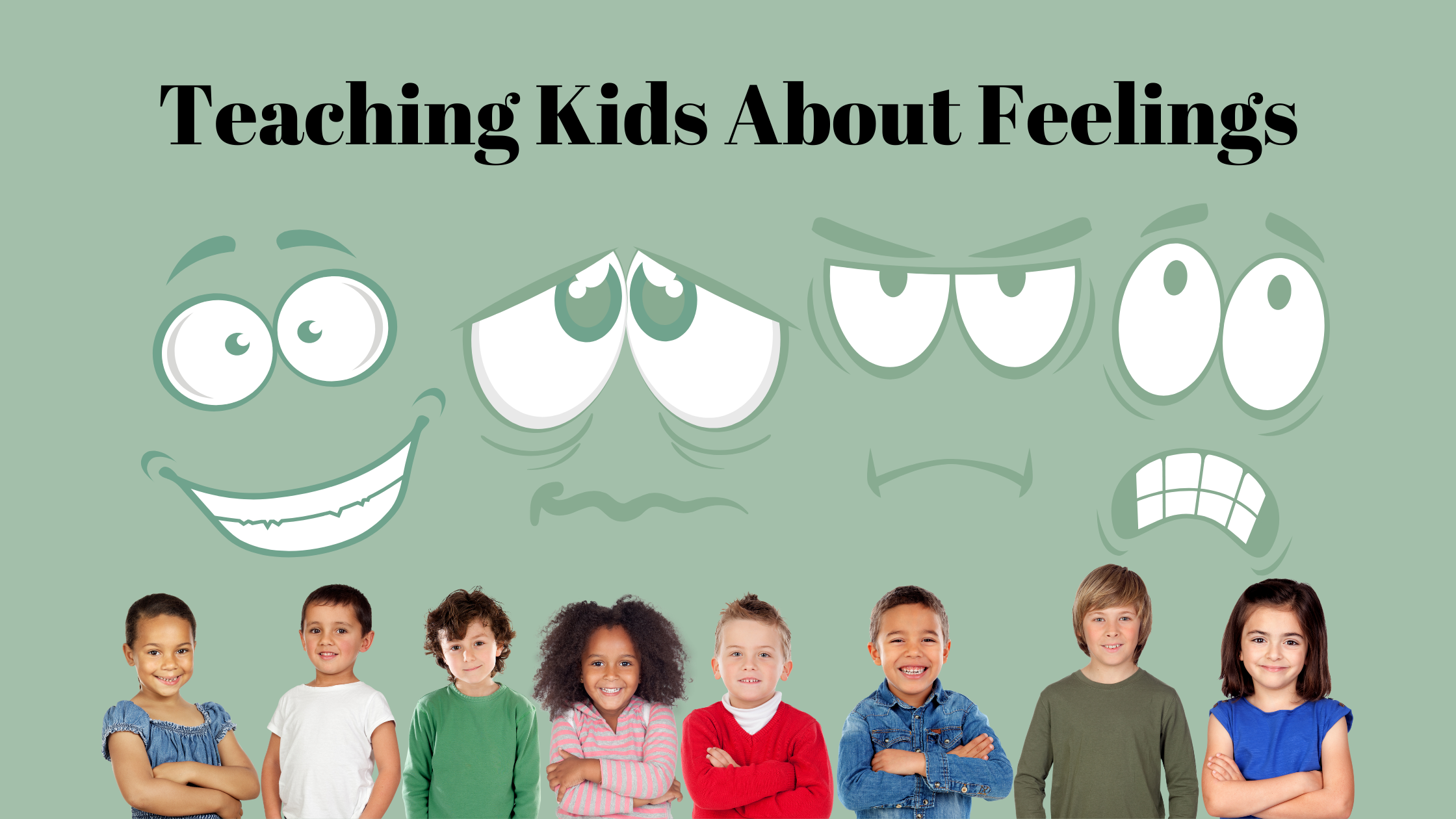
Encourage expression of feelings
Explain that it’s OK to be upset. Let your children write about or draw what they are feeling. Encourage time with friends. Physical activity might serve as an outlet for frustration.
Help them help others
Consider ways to help victims and their families. Hold a service related to the tragedy. You might work with your children to write thank-you notes to first responders.